Planning for The Pondo
An idyllic hike along the Indian Ocean Coastline will change your life…in what may feel like a lifetime from now.
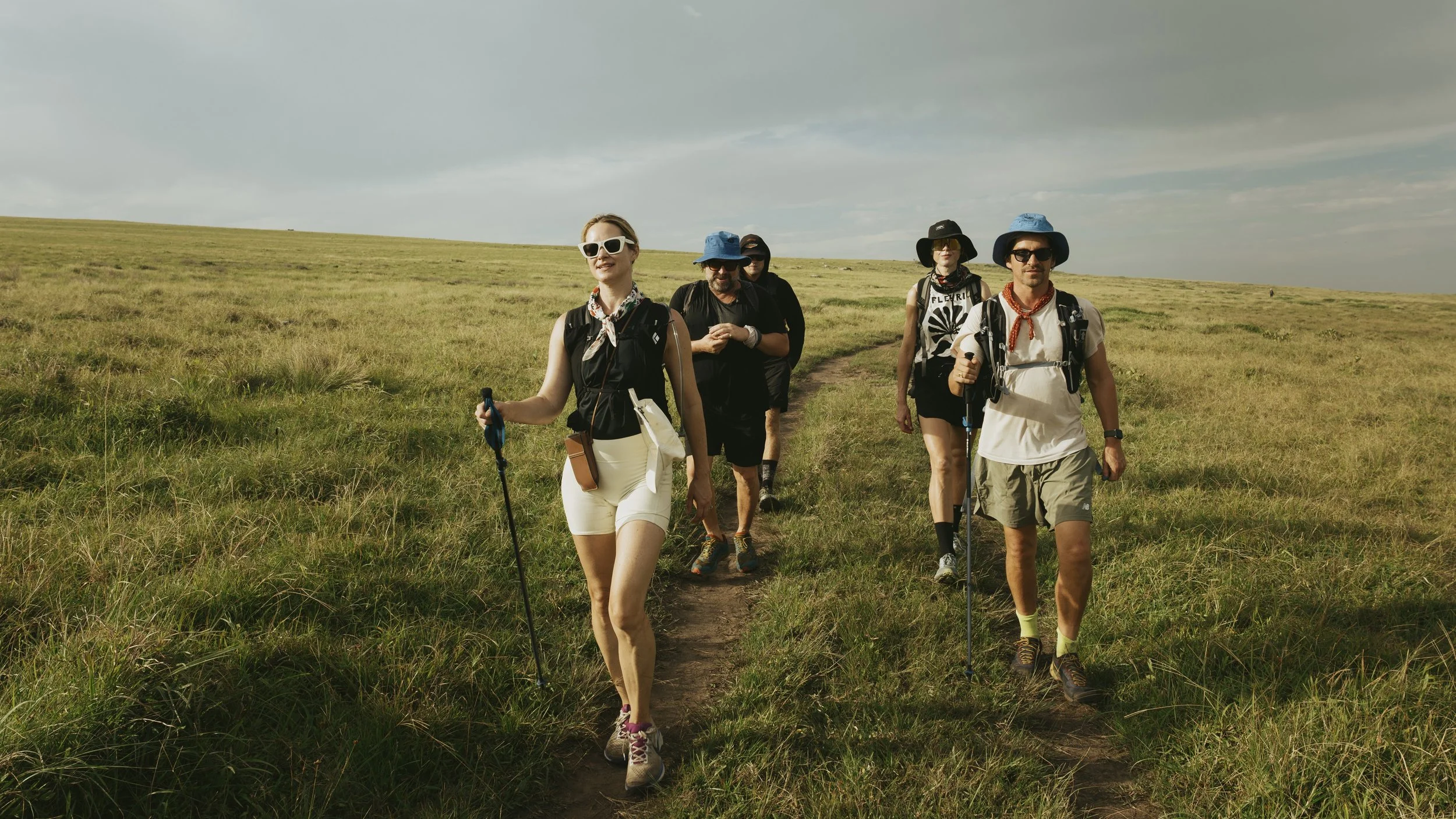
A quick warning about this latest adventure: you should probably start booking it now. As in before you finish reading the end of this paragraph. While many posts I write up could wind up being thrilling last-minute flights of fancy, what I’m about to unload on you involves a two year waitlist. But if you can stand on line an hour for a bagel, you can do this too. One will change your waistline, the other will change your life…
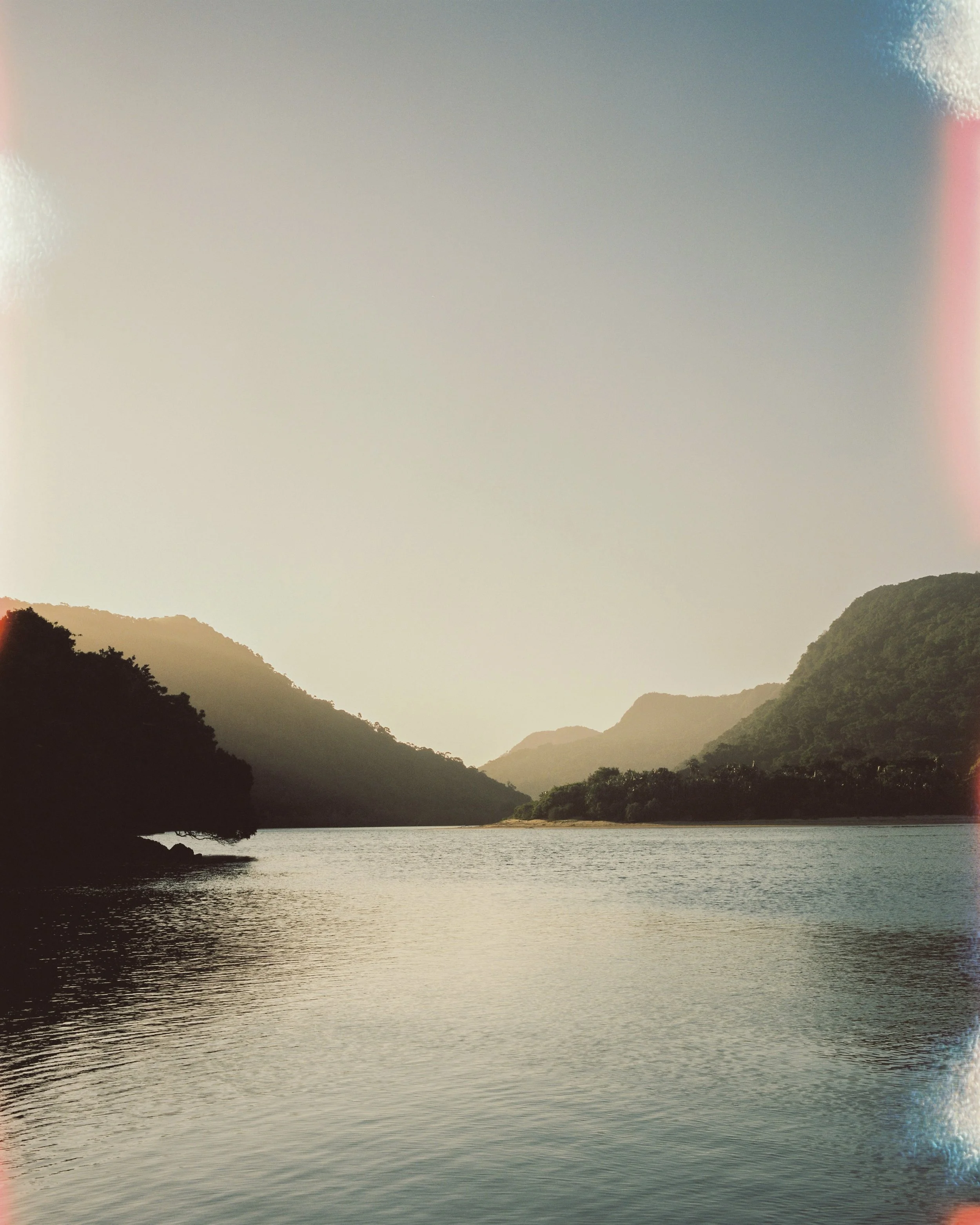
Pondoland is at the heart of South Africa’s Wild Coast, a stretch of gentle hills and sweeping, untouched beaches along the Indian Ocean, a few hours’ drive south of Durban. Several years ago local brothers Matt and Tim Botha began thinking about ways to showcase their native region to others. They came across a handful of abandoned, state-owned campsites, got approval to give them a second life, and began leading four day treks down the coastline, thereby created the patented Pondo Trail. The groups remain capped at twenty people and there are less than a hundred outings scheduled each year, keeping impact on the region low and demand ridiculously high. Ergo a two year waitlist.
But as my friend who organized our hike waxed, there’s something really satisfying about booking such an adventure so far out and then forgetting about it, only to be reminded a year and a half later to start rounding up a crew—most of the trips are for groups of friends, with only 10% of their trips being made up of strangers. It’s ideal for a big birthday blowout or anniversary.
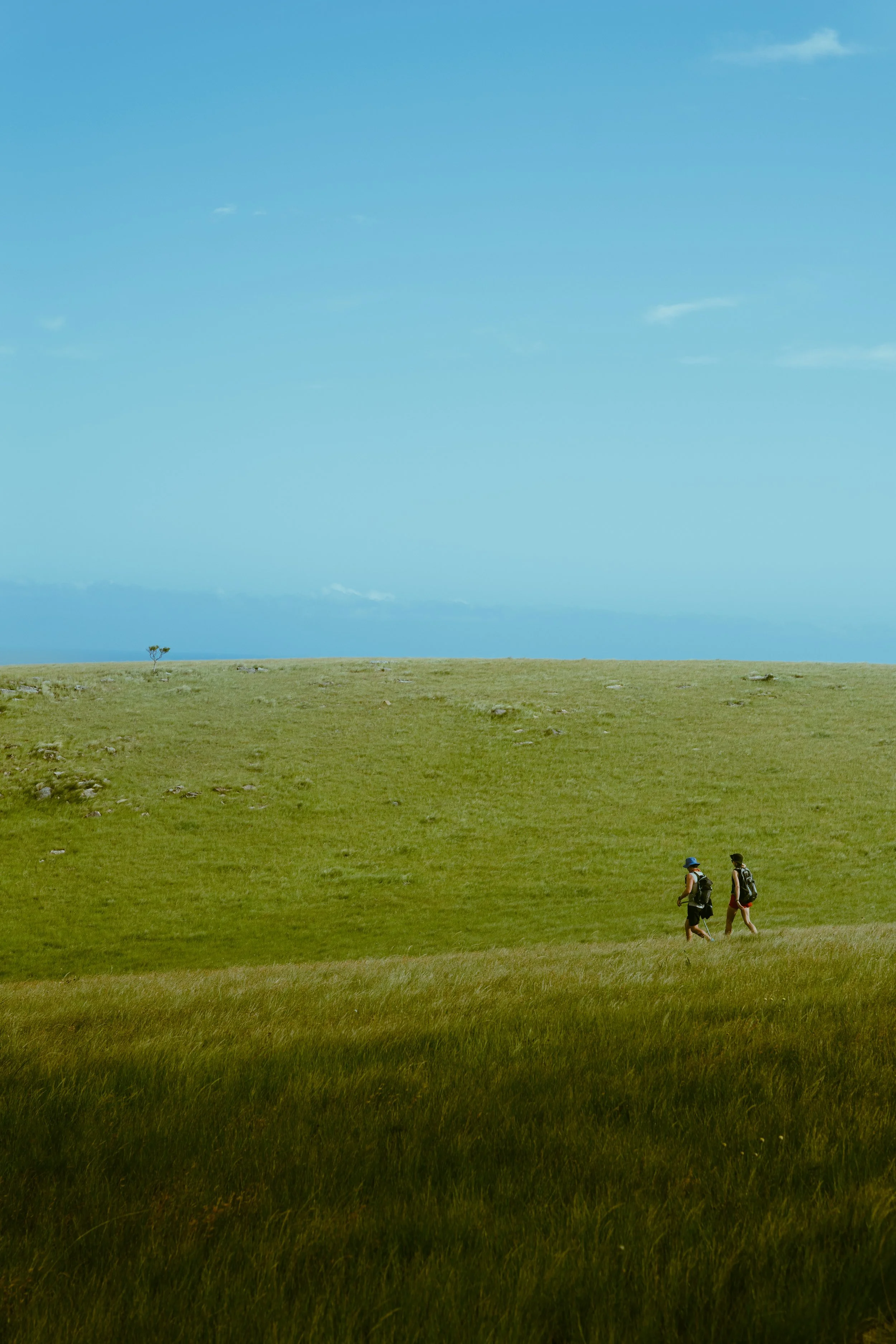
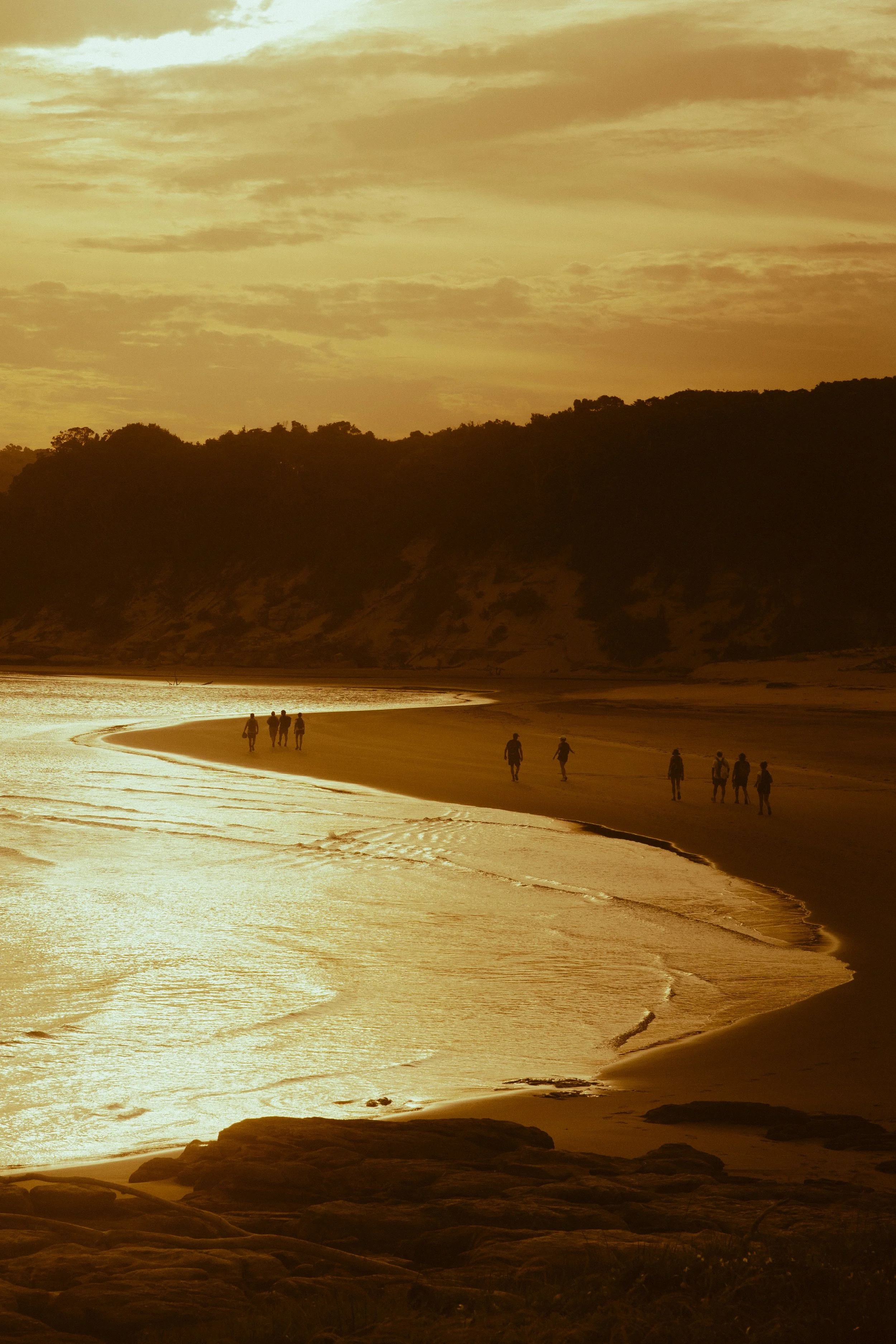
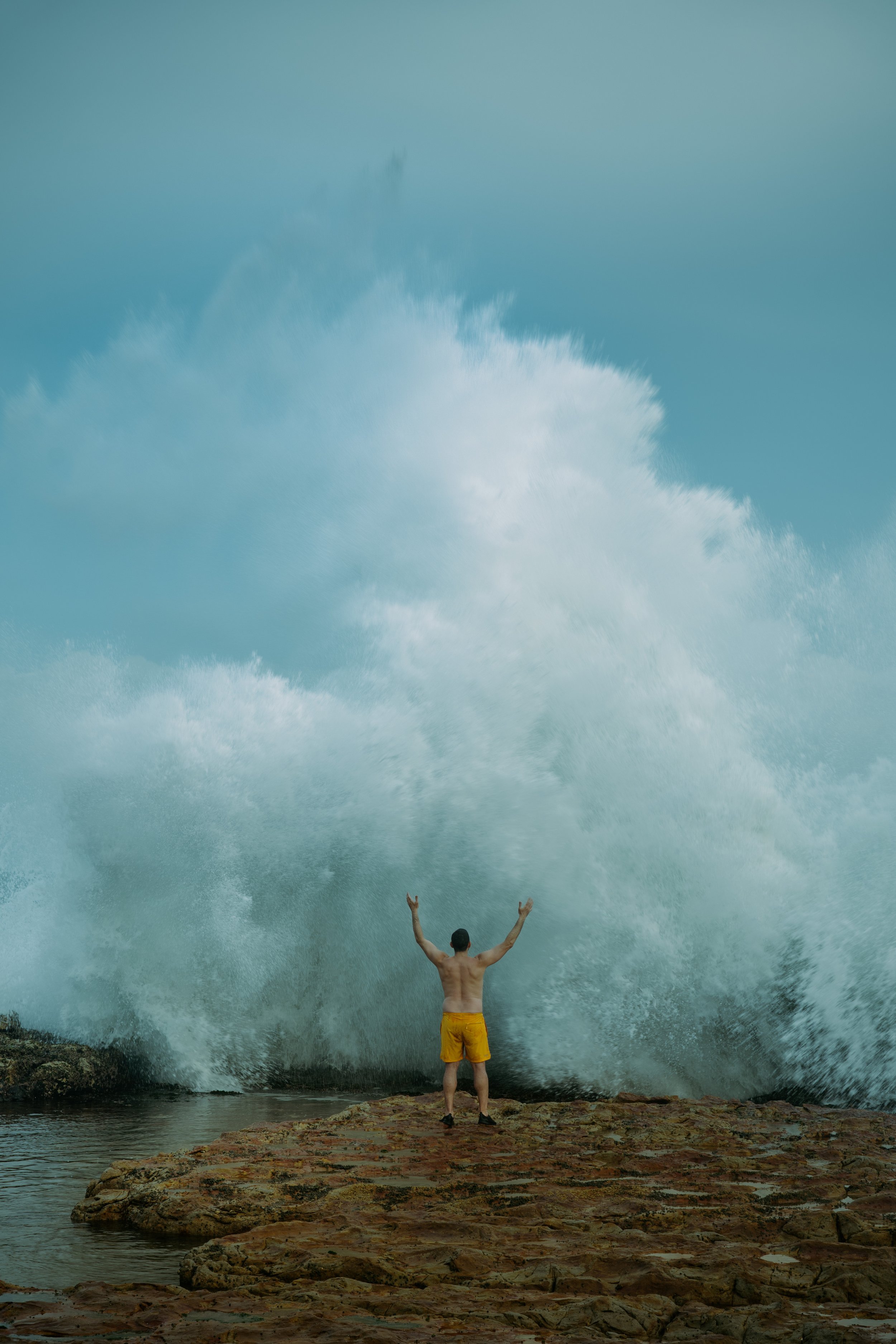
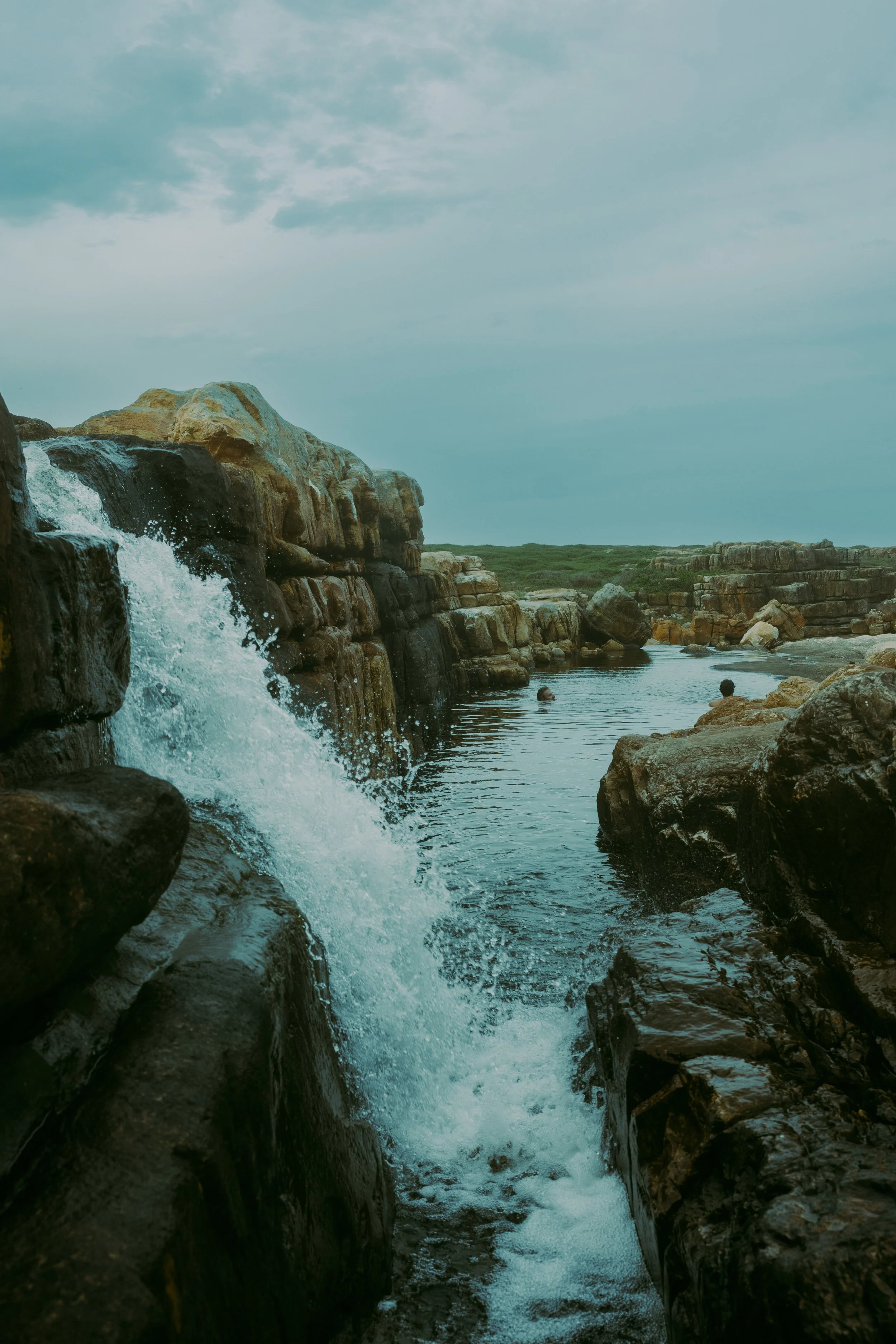
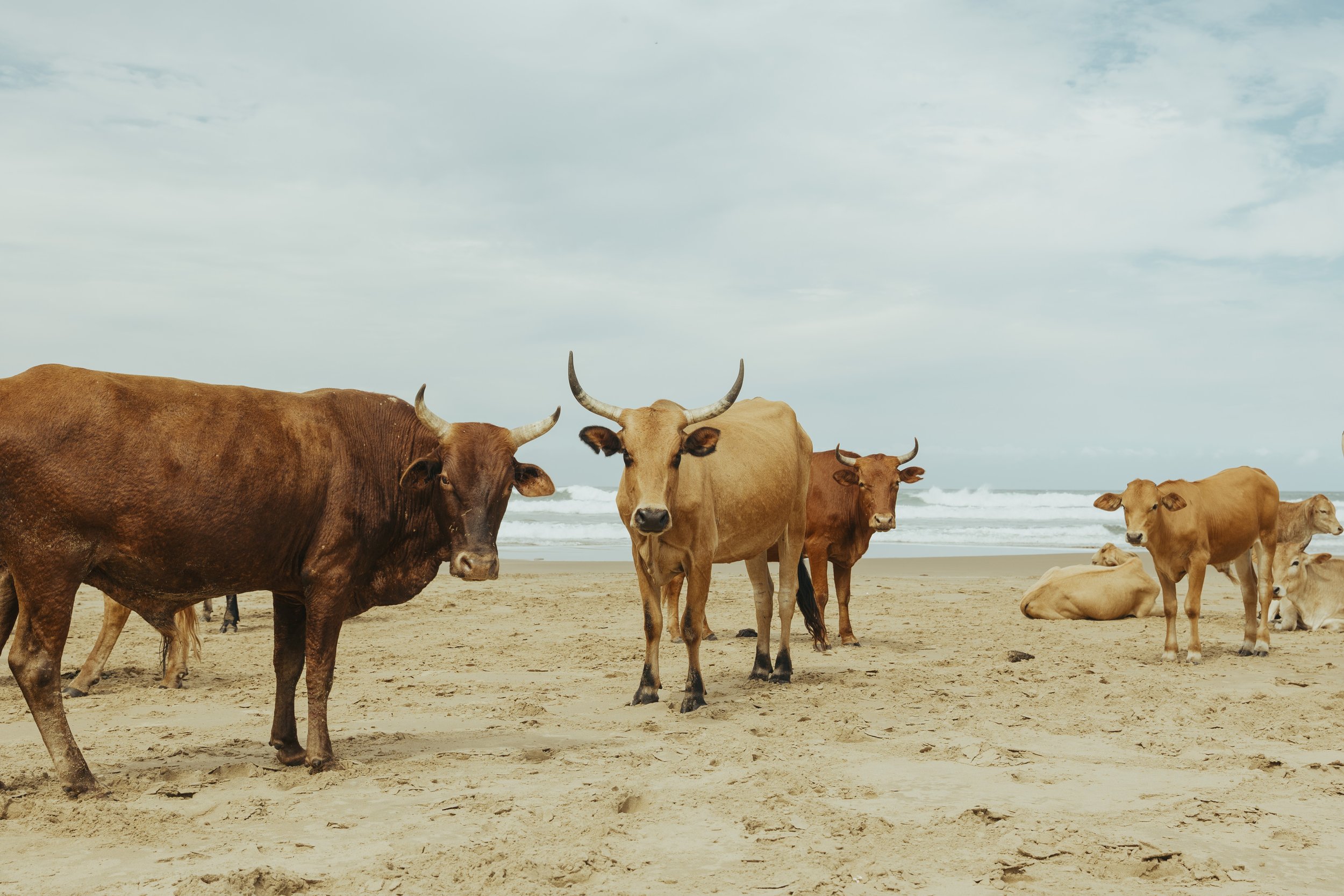
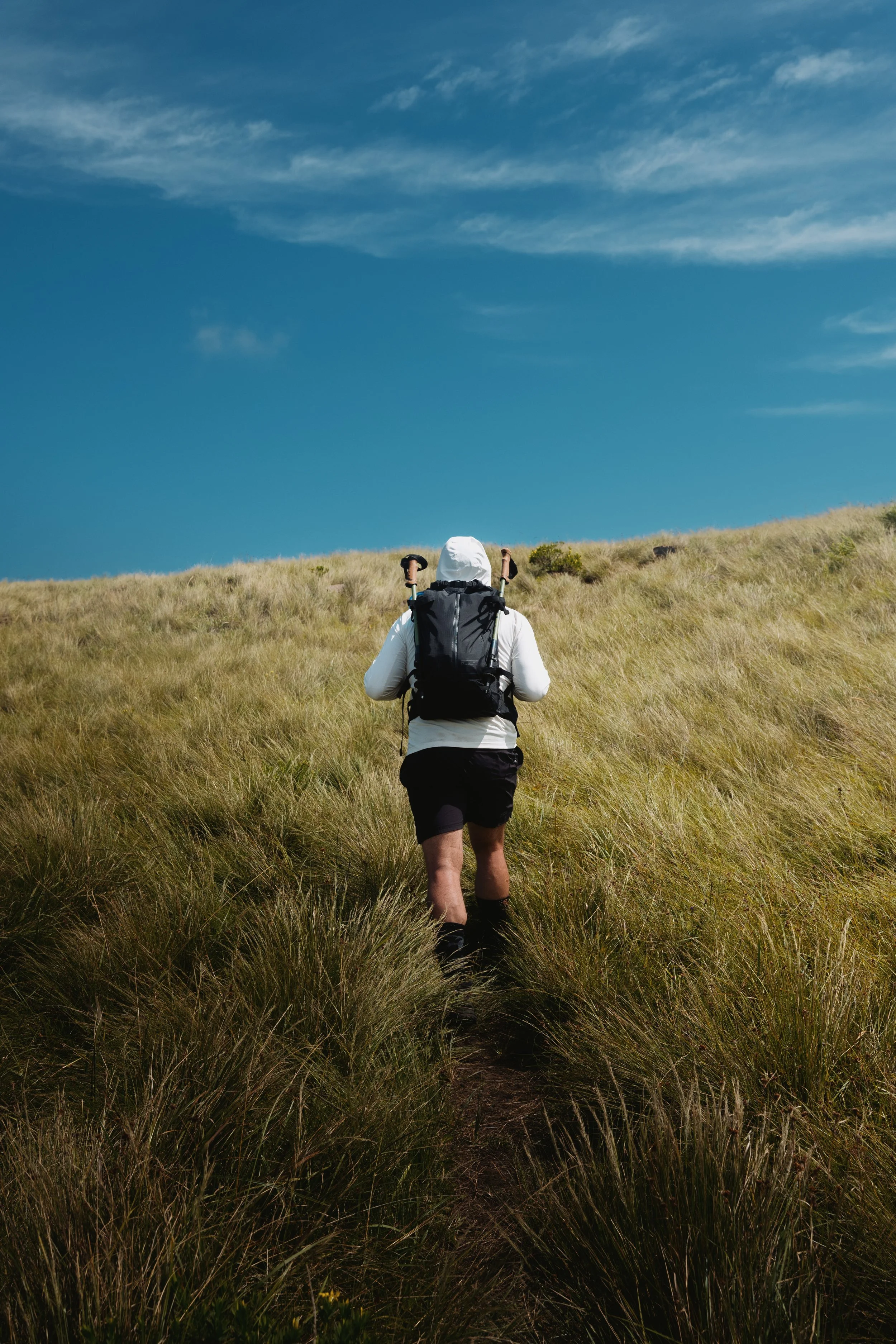
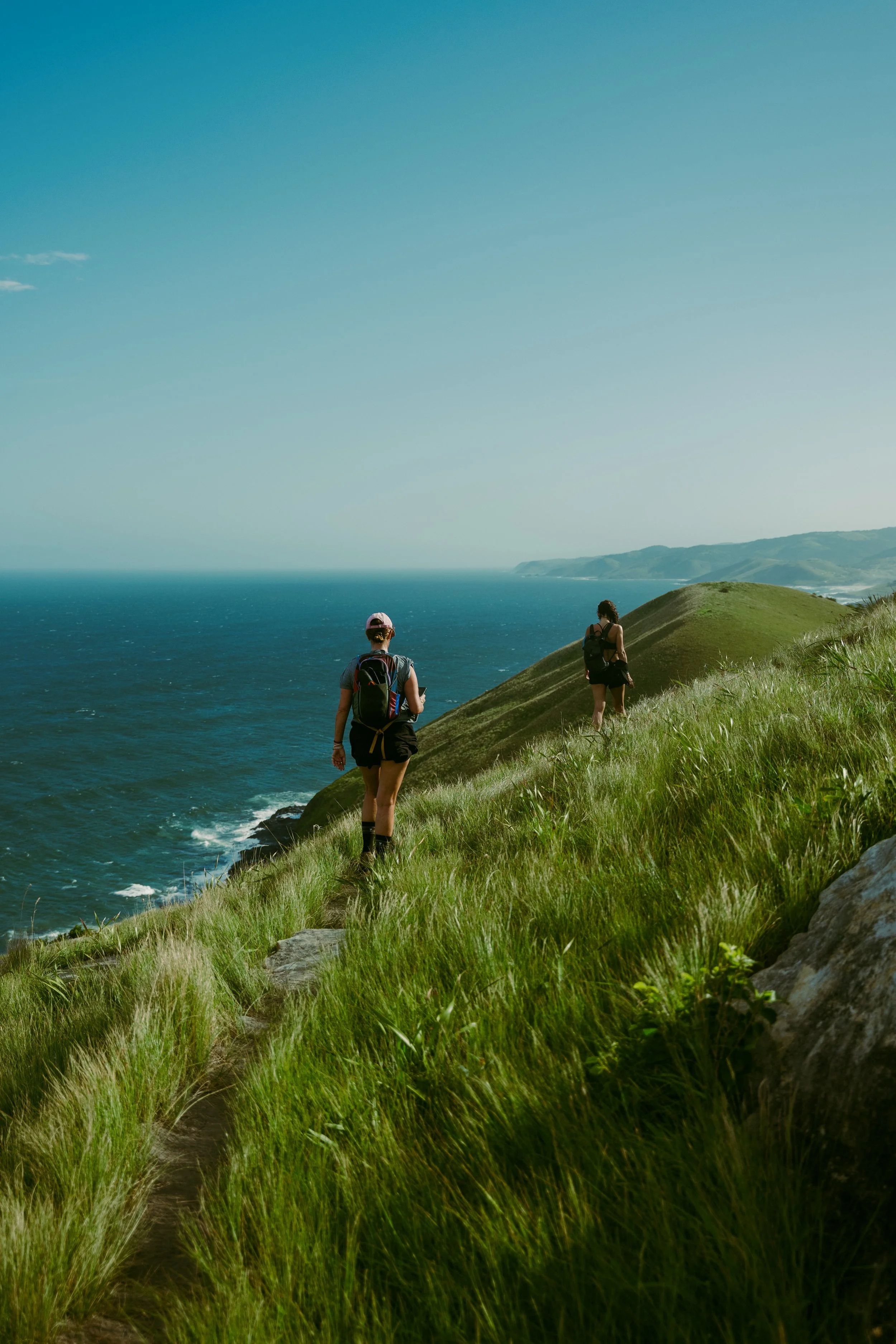
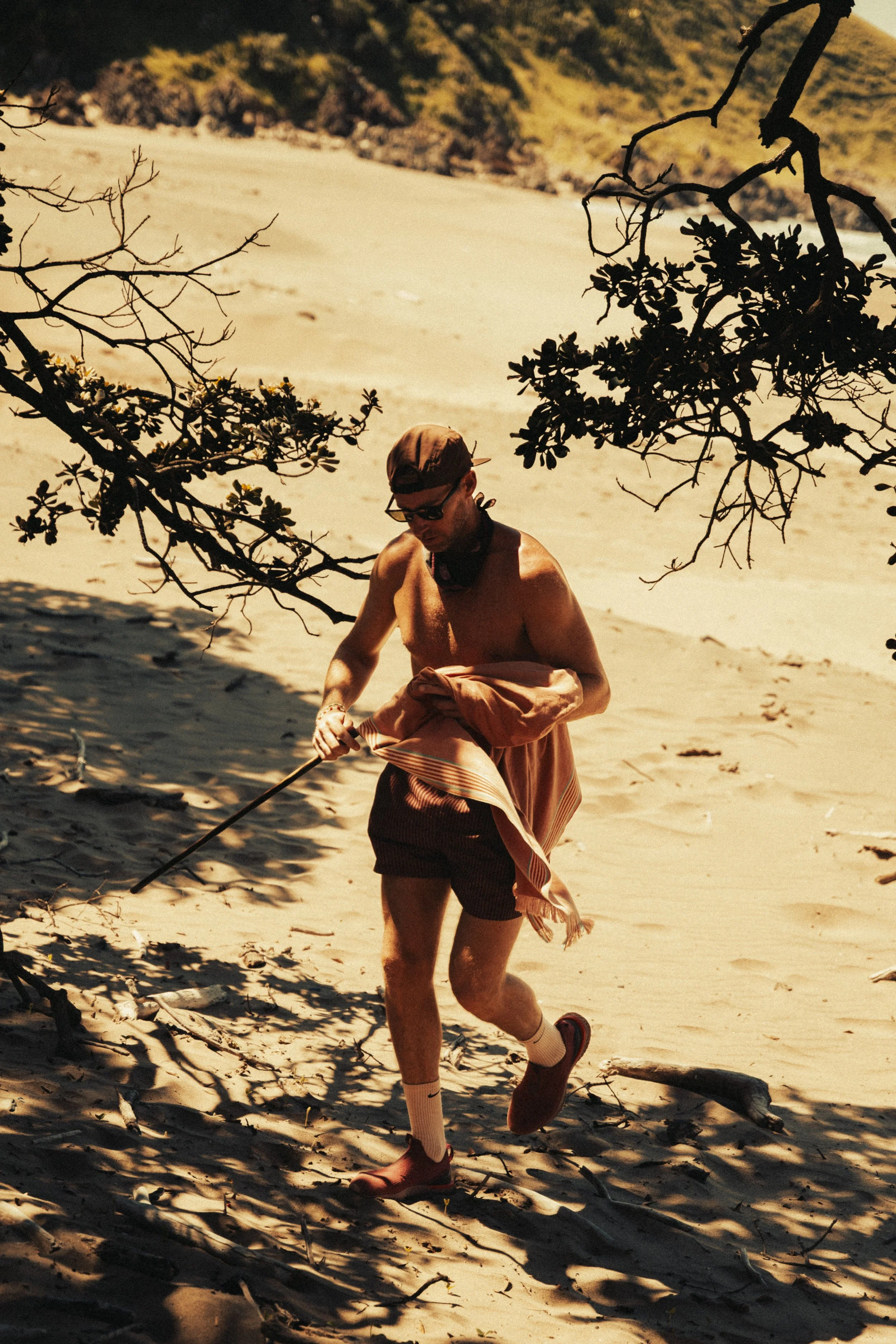
Now, for the hike itself…the days are long, you’re clocking around 12-14 miles a day, but because it’s mostly along the surf, there’s no major uphill slogging. Yet what’s most amazing is the diversity: after strolling along beautiful desolate beaches for a couple hours you start to wish for a change of scenery and no sooner do you think this that you head up and over a bluff and come across endless, rolling green hills dotted with zebras. When monotony sets in here there’s a bend and a dip and you find yourself on a Martian lunar scape of jagged red rocks and a smashing surf that explodes into fine mist.
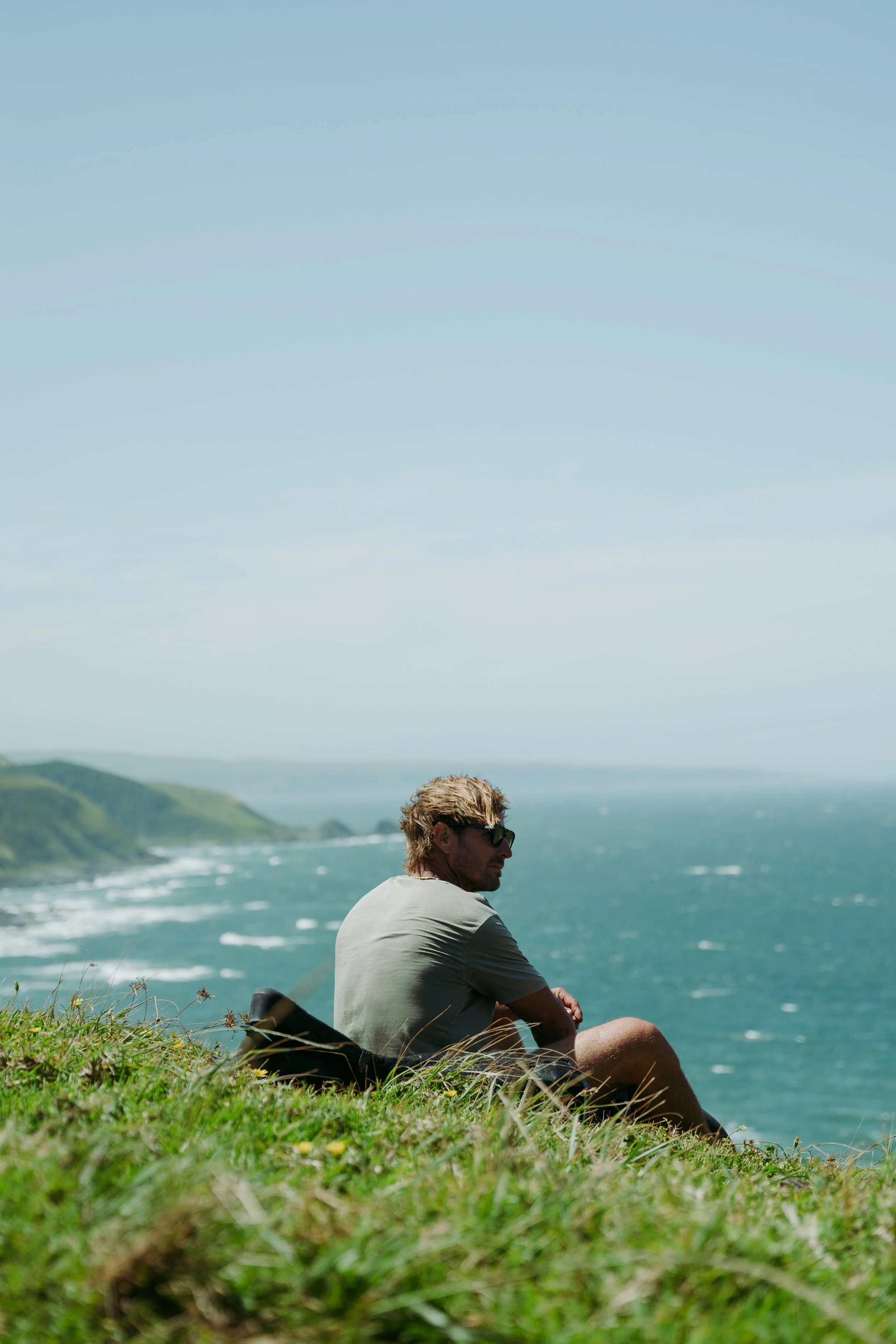
And you actually have time to marvel at all this scenery. The even terrain also contributes to one of the most unsung but powerful aspects of the trip: you are constantly able to look around and soak it all in. So many multi-day hikes I’ve done require constant vigilance on the path ahead to ensure you don’t sprain an ankle or hit a branch, but when you have two straight miles of walking on sand or grass and your cell phone is buried deep in your day pack, your neck cranes upwards and you are able to soak in the complete, sprawling beauty of the world around. It’s incredible.
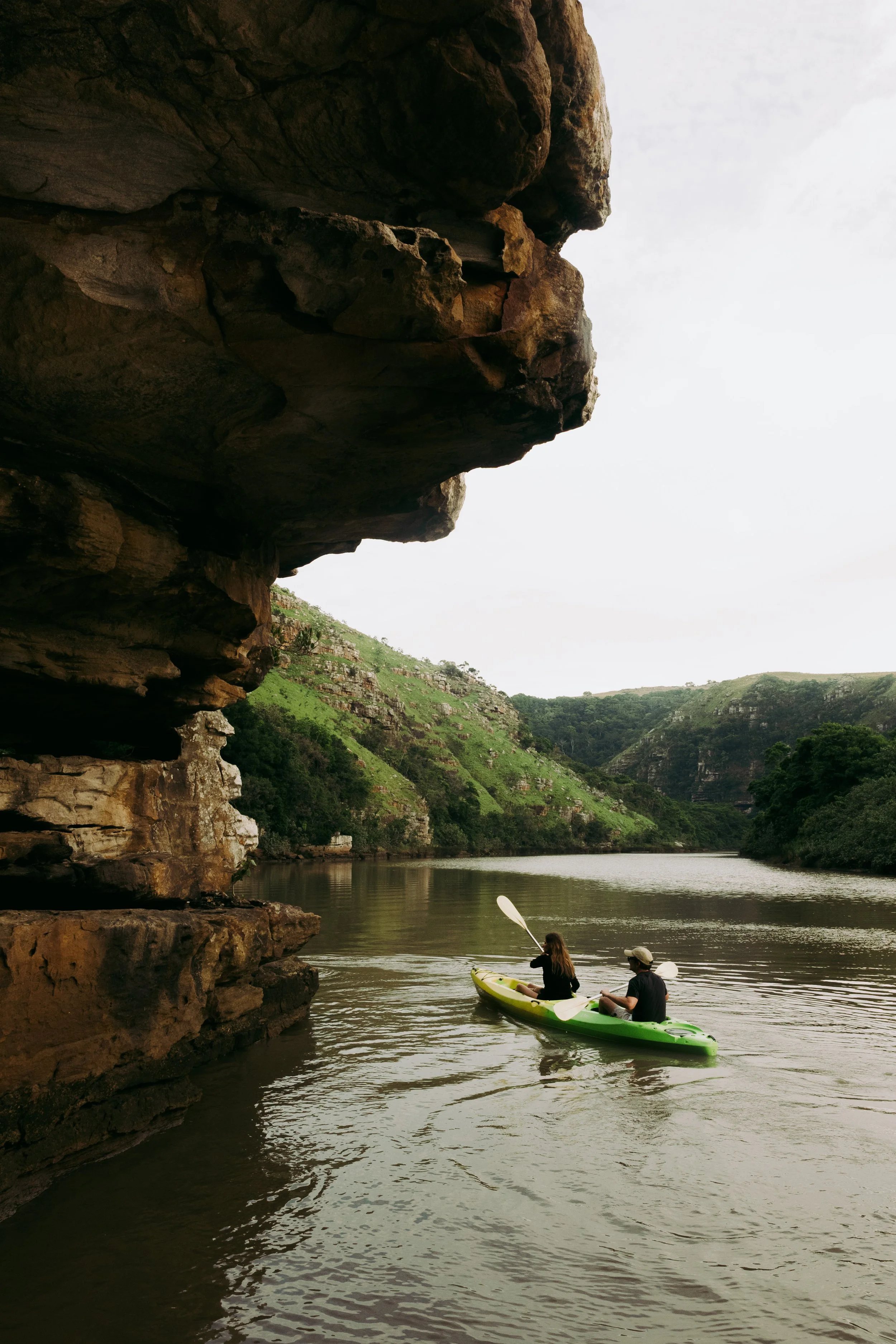
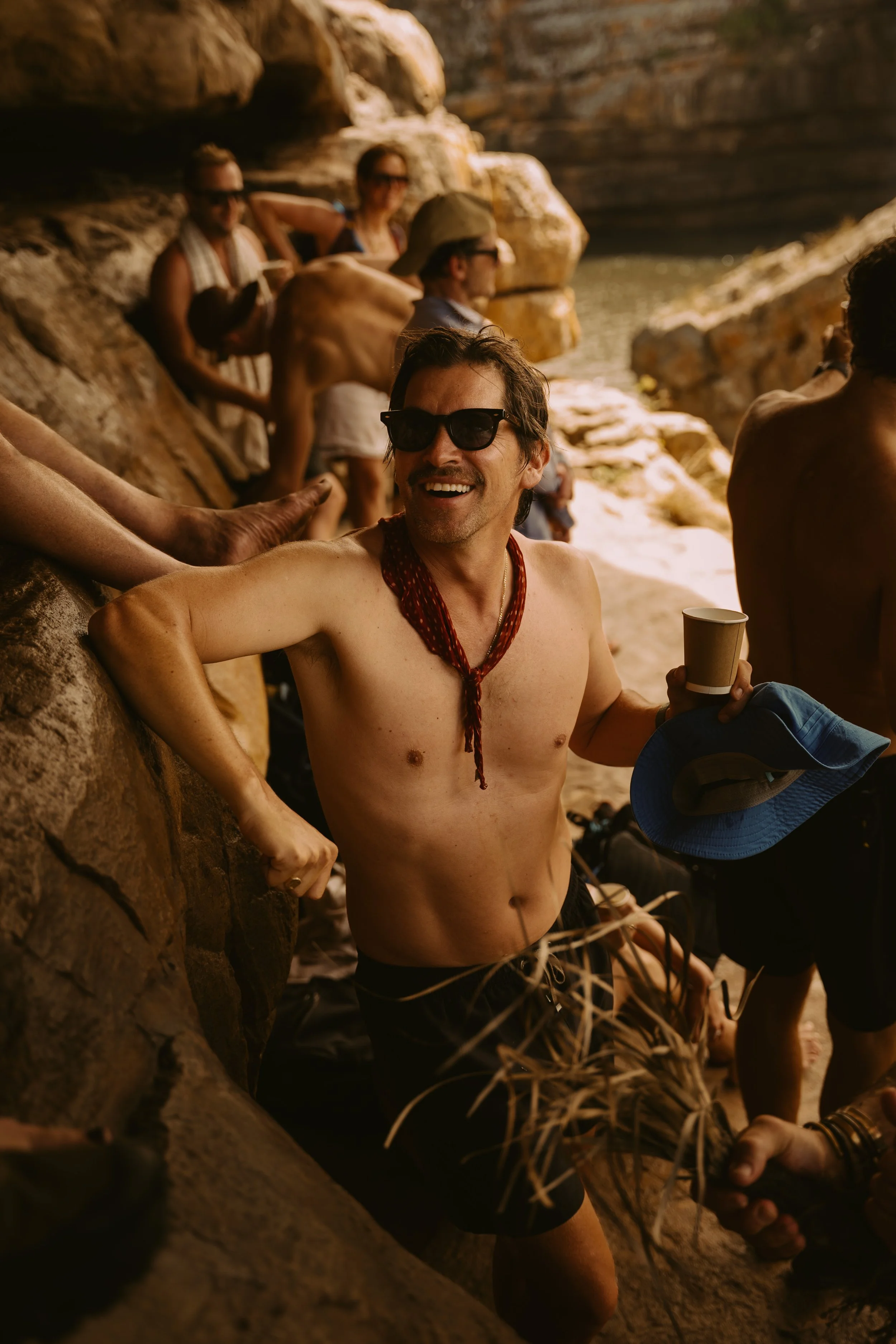
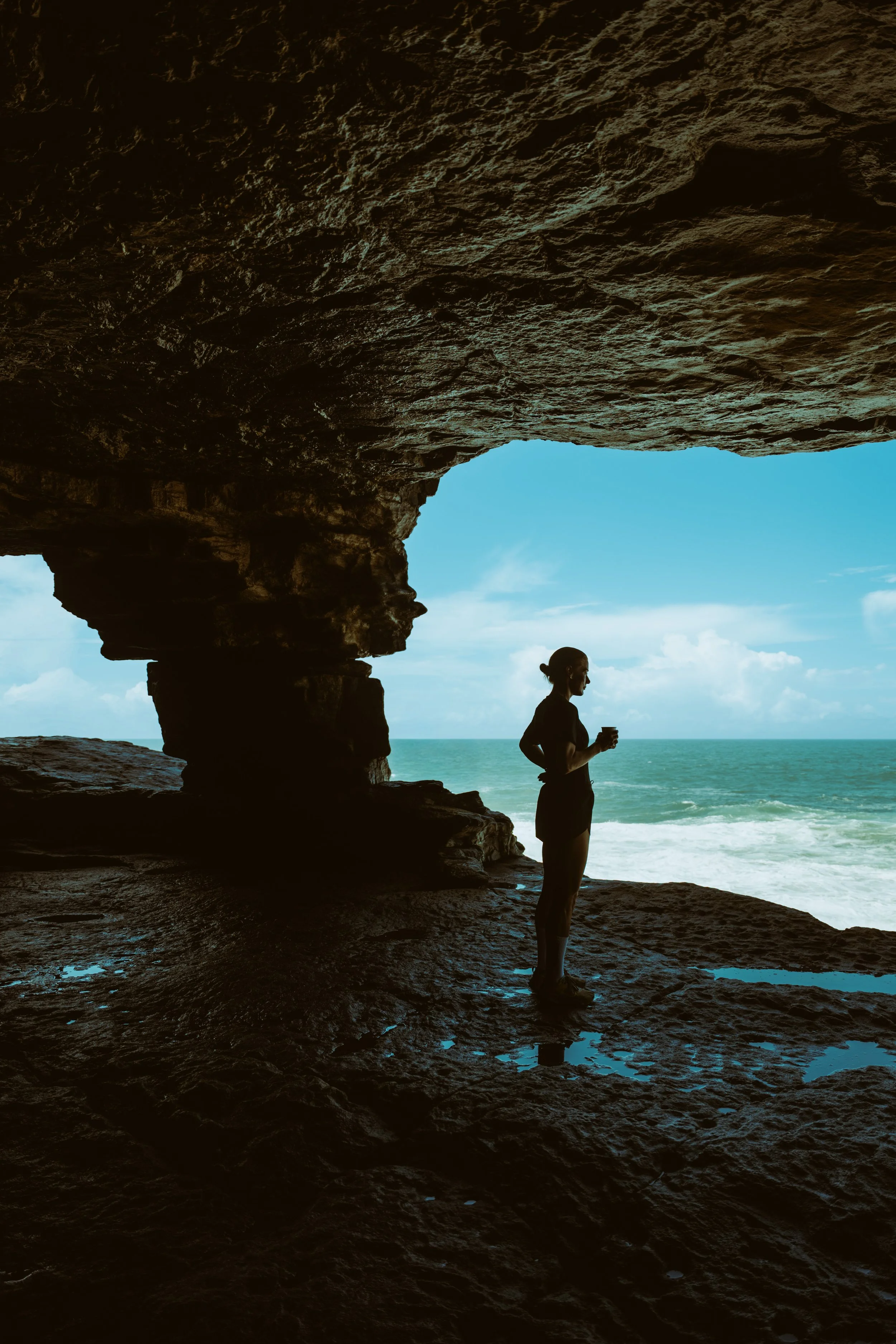
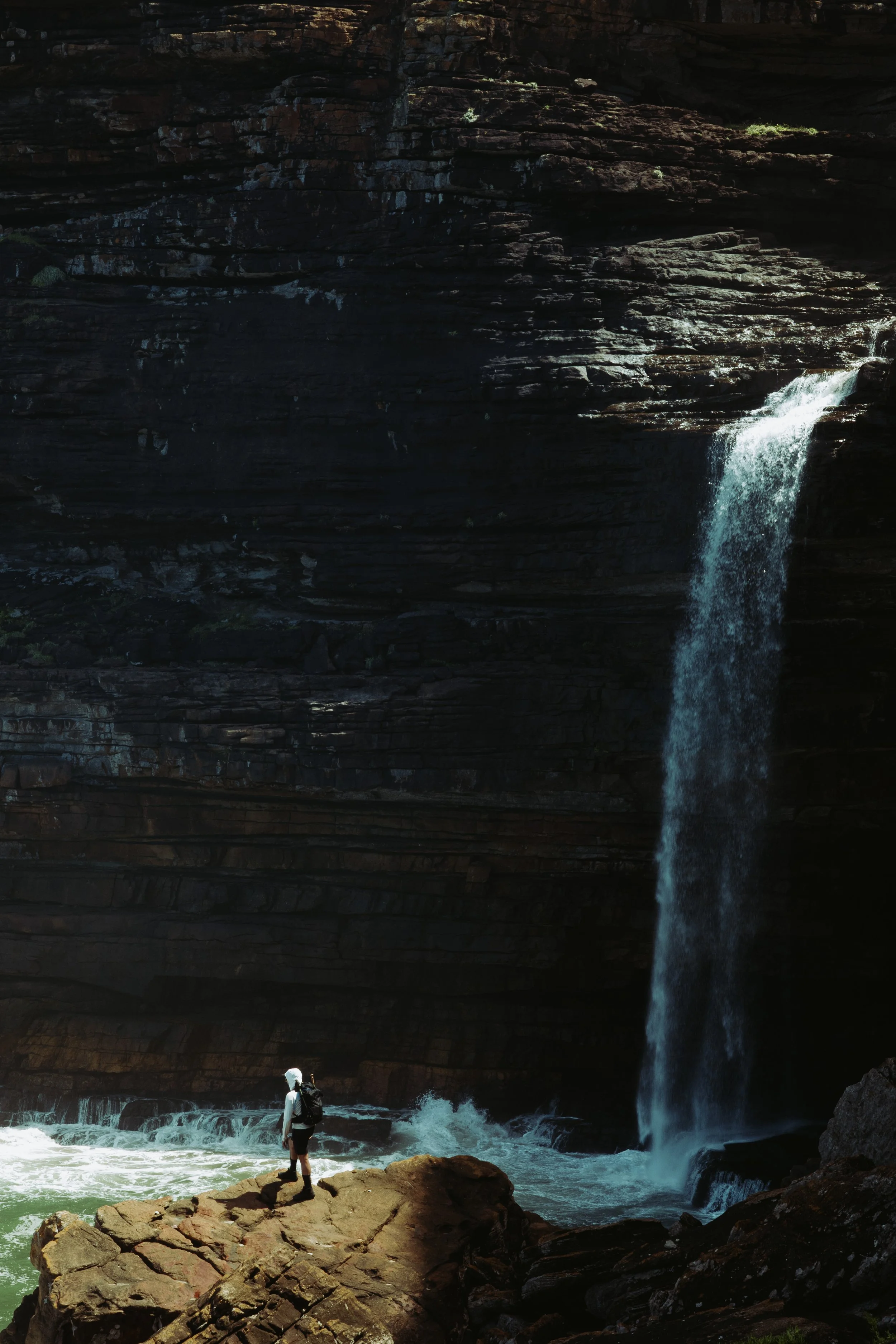
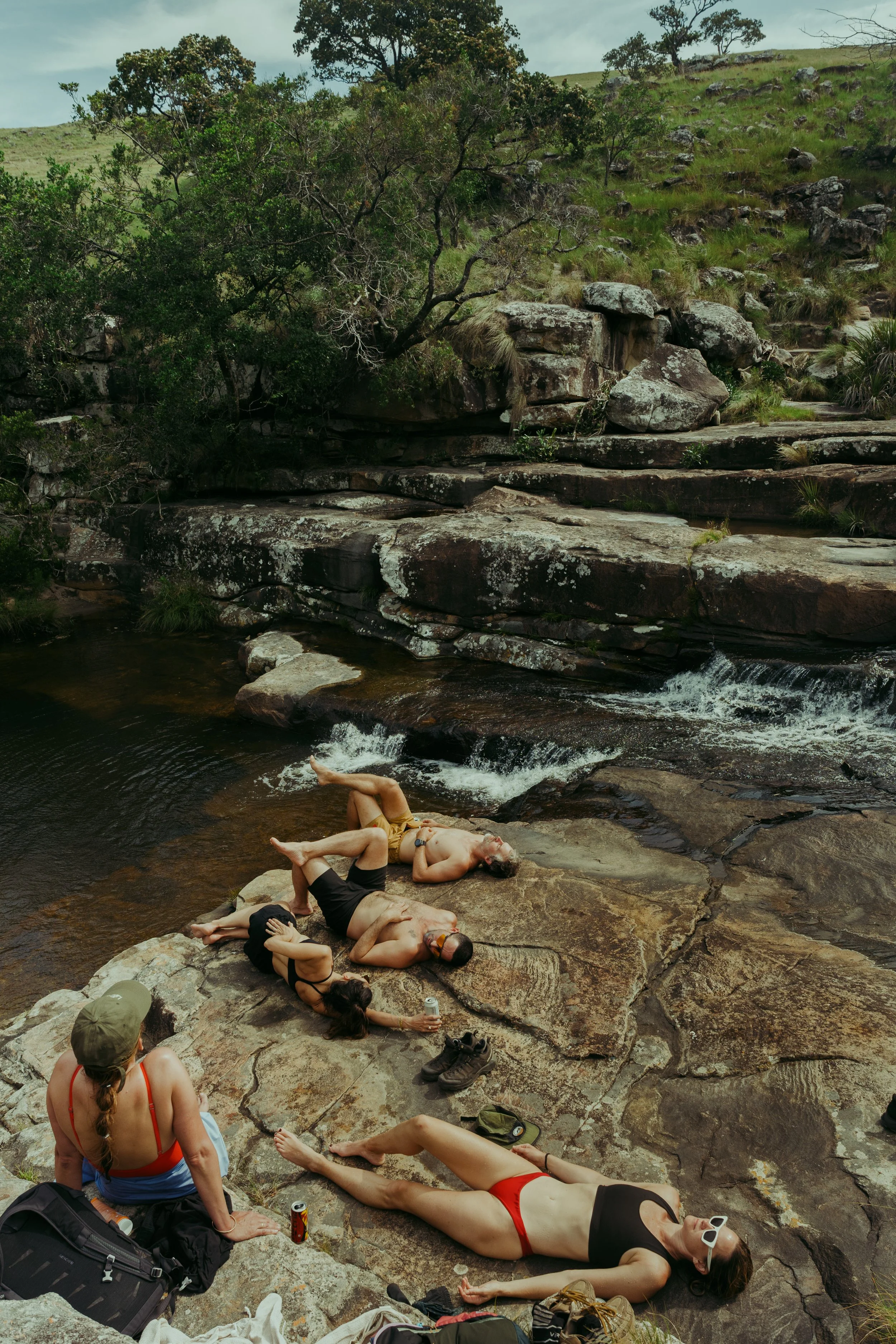
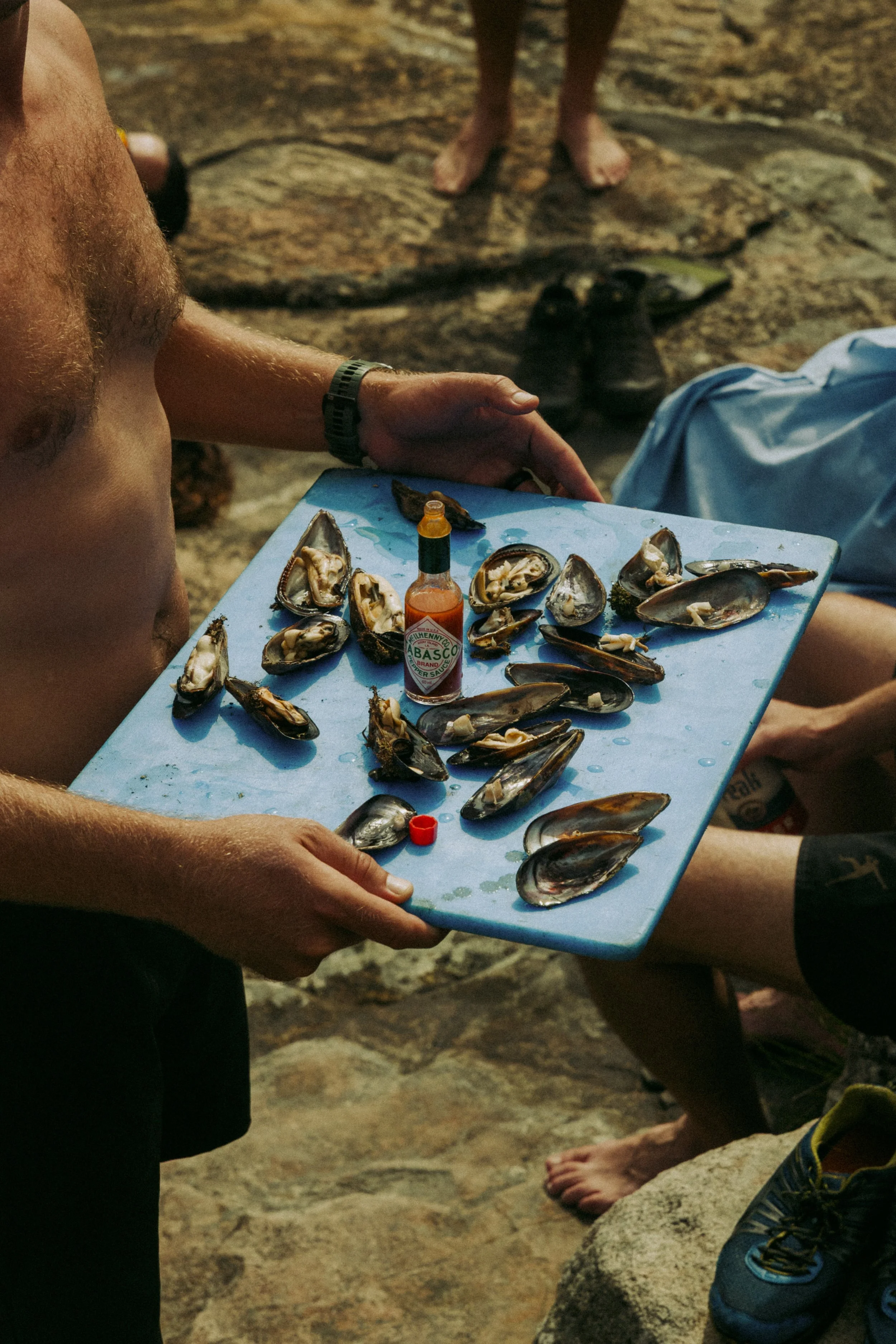
Meanwhile, every time you cross a tide pool or waterfall there’s time for a swim break, mornings are spent kayaking up estuaries or scaling cliffs to magical caves for a morning snack. I was fortunate enough to have Matt Botha as one of my guides—the two brothers have now mostly taken on managerial duties—and he would occasionally just stop at a random outcrop of rocks, throw on what looked like a waterproof kilt, and grab a harpoon before asking which of us wanted to join him in spearfishing lobsters for lunch (FYI, the kilt acted like a marsupial pouch in which he stored the crustaceans). Basically, you never knew what to expect at any moment and it made the journey all the more thrilling.
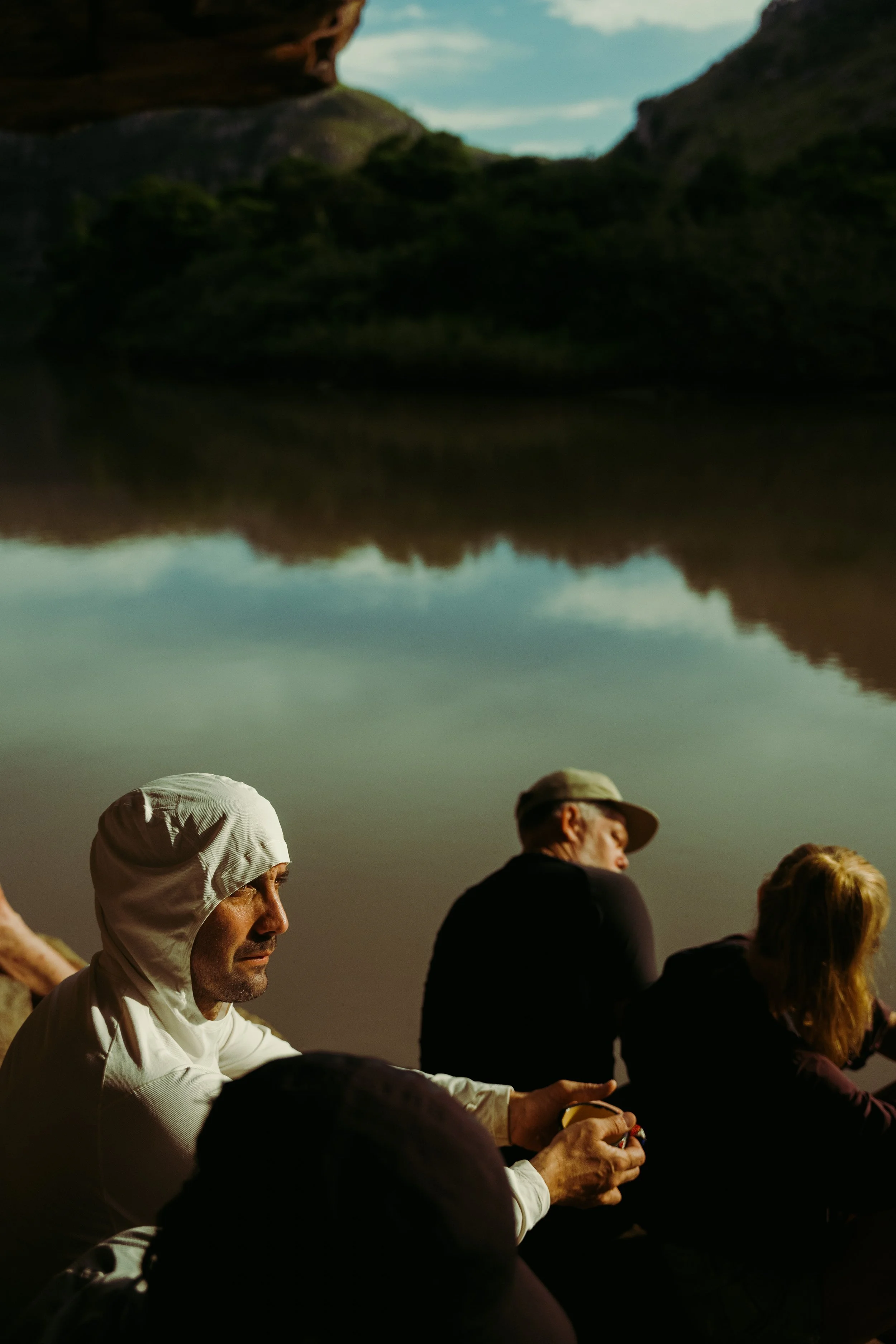
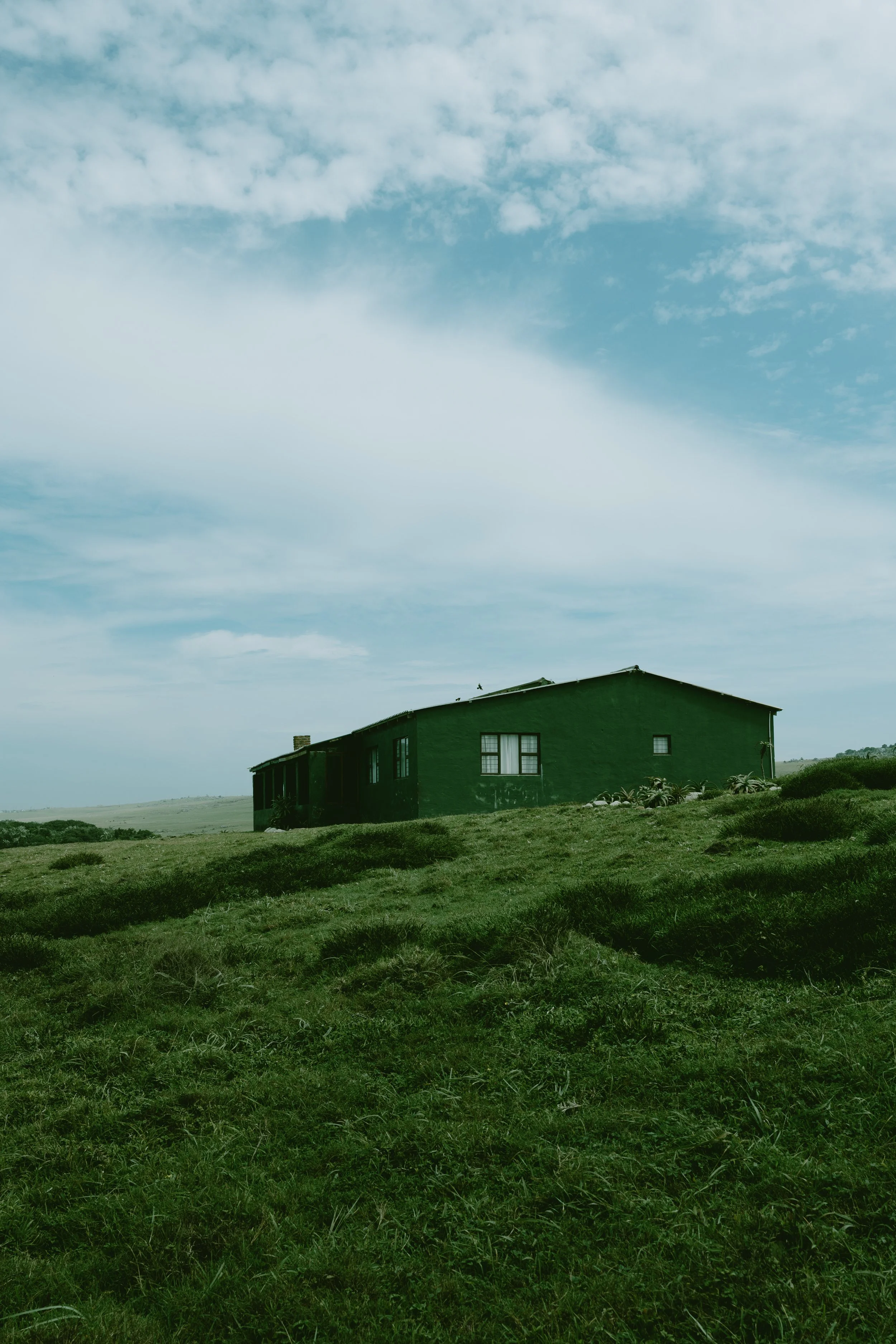
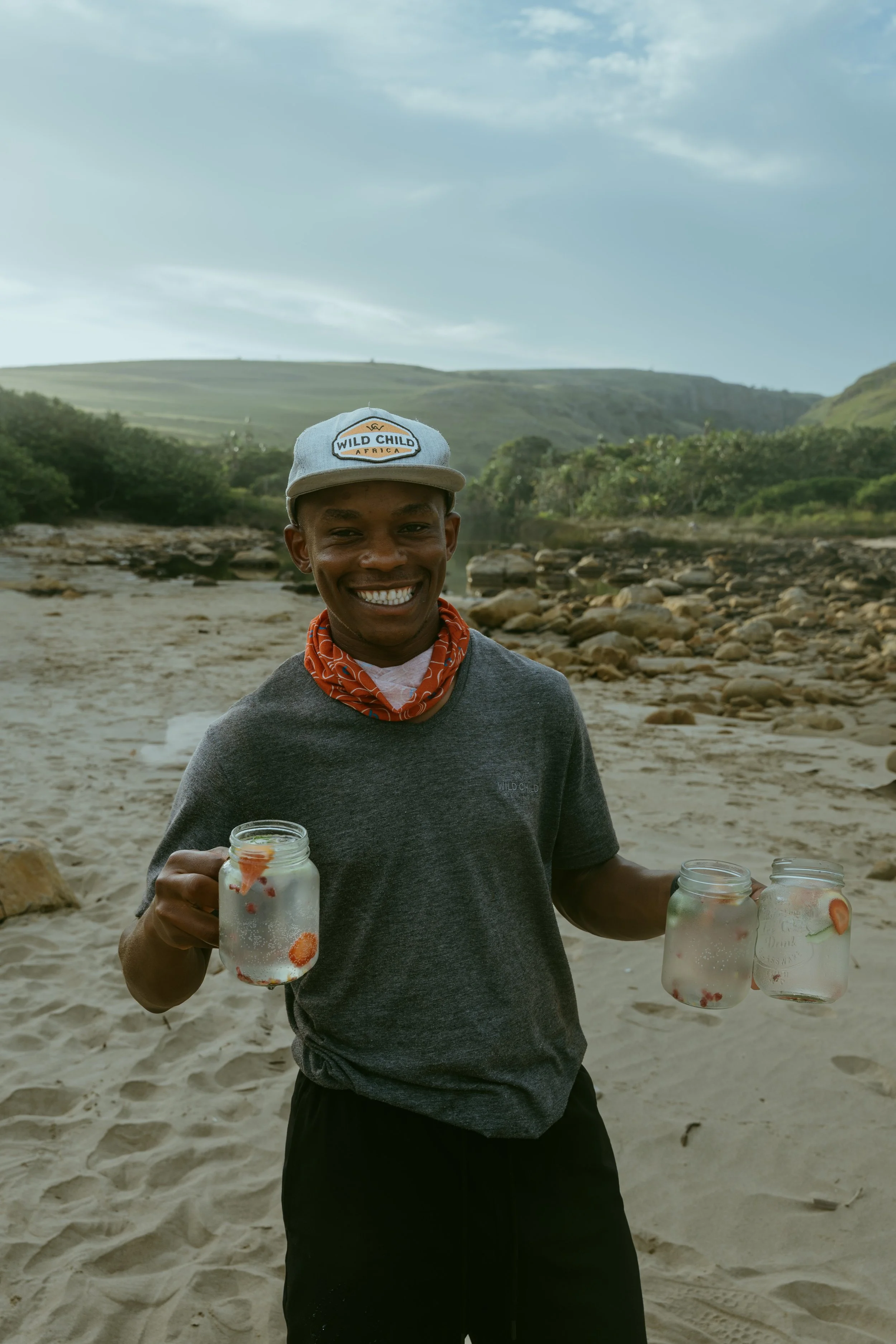
At day’s end when you think you cannot walk another step you stumble into beaming crew members with platters of gin and tonics and hearty high-fives. Final dips in the river and a change of fresh clothes set you up for drunken nights around campfires and impromptu dance parties. As for the sleeping accommodations, they are simple but solid. Two person canvas tents are outfitted with twin beds, a hot shower and flushable toilets. There’s not much else but you don’t need much else, and compared to refuges in the Alps or huts in the Appalachias, it’s quite lovely. The fact that your gear is driven from one camp to the next is even lovelier.
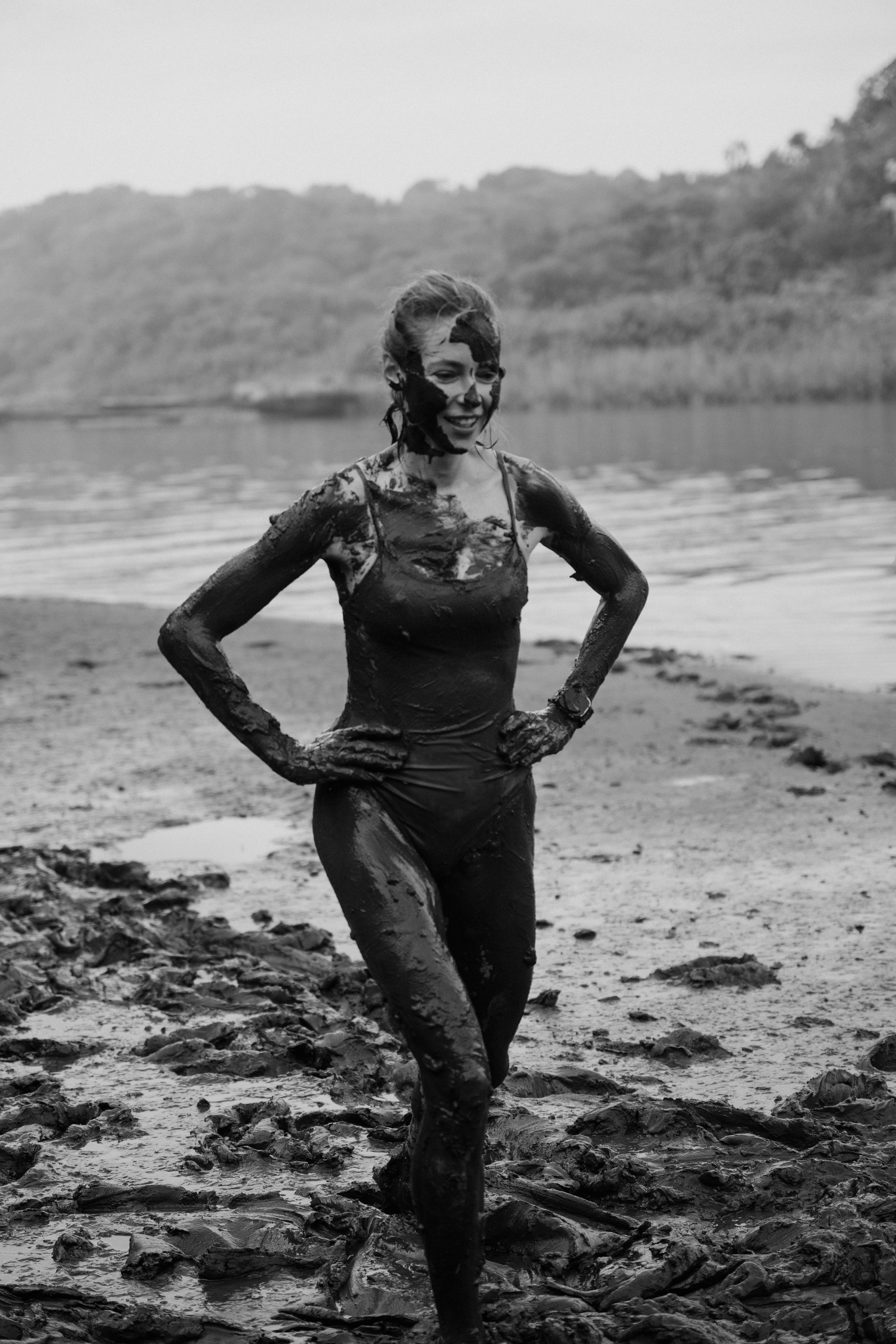
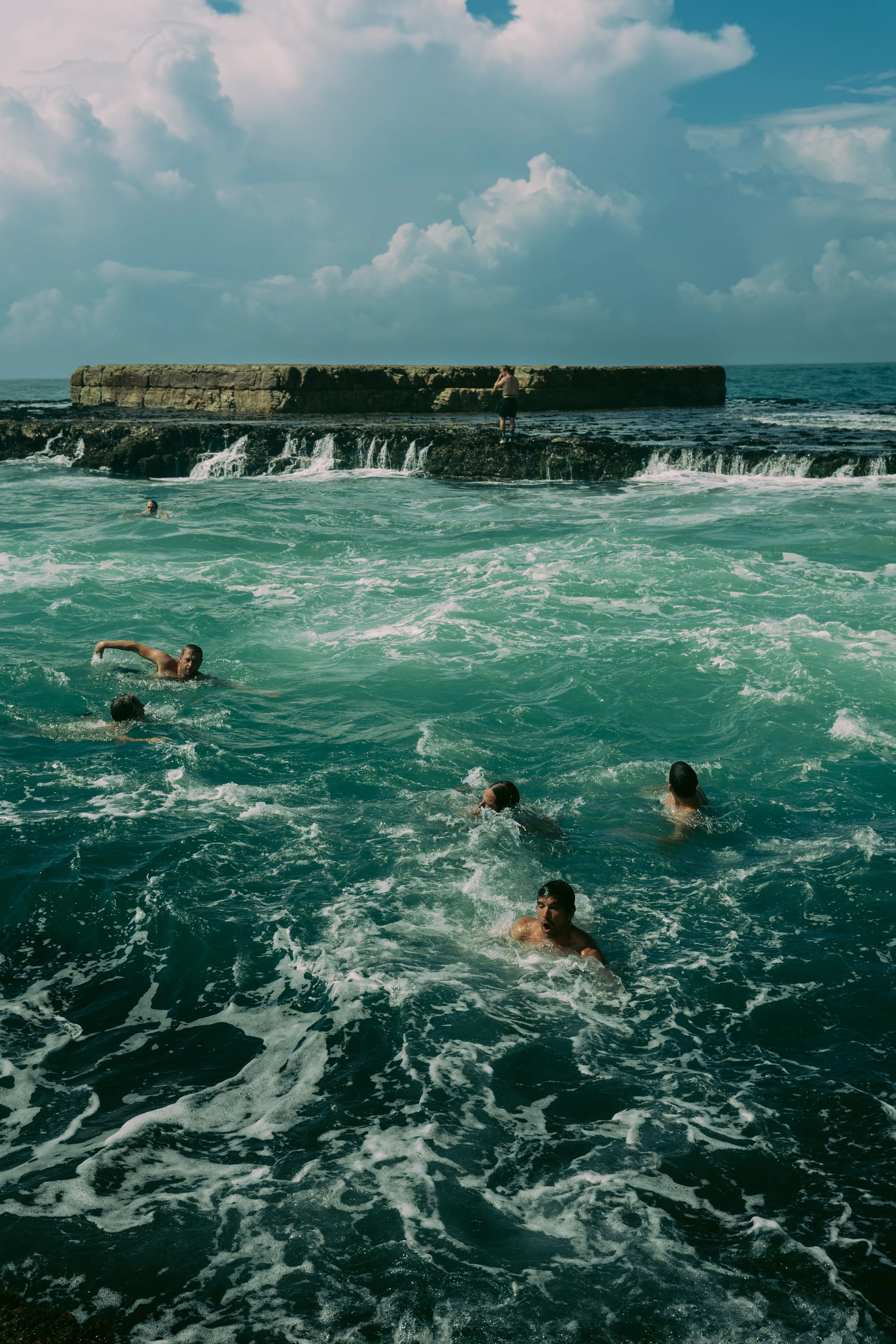
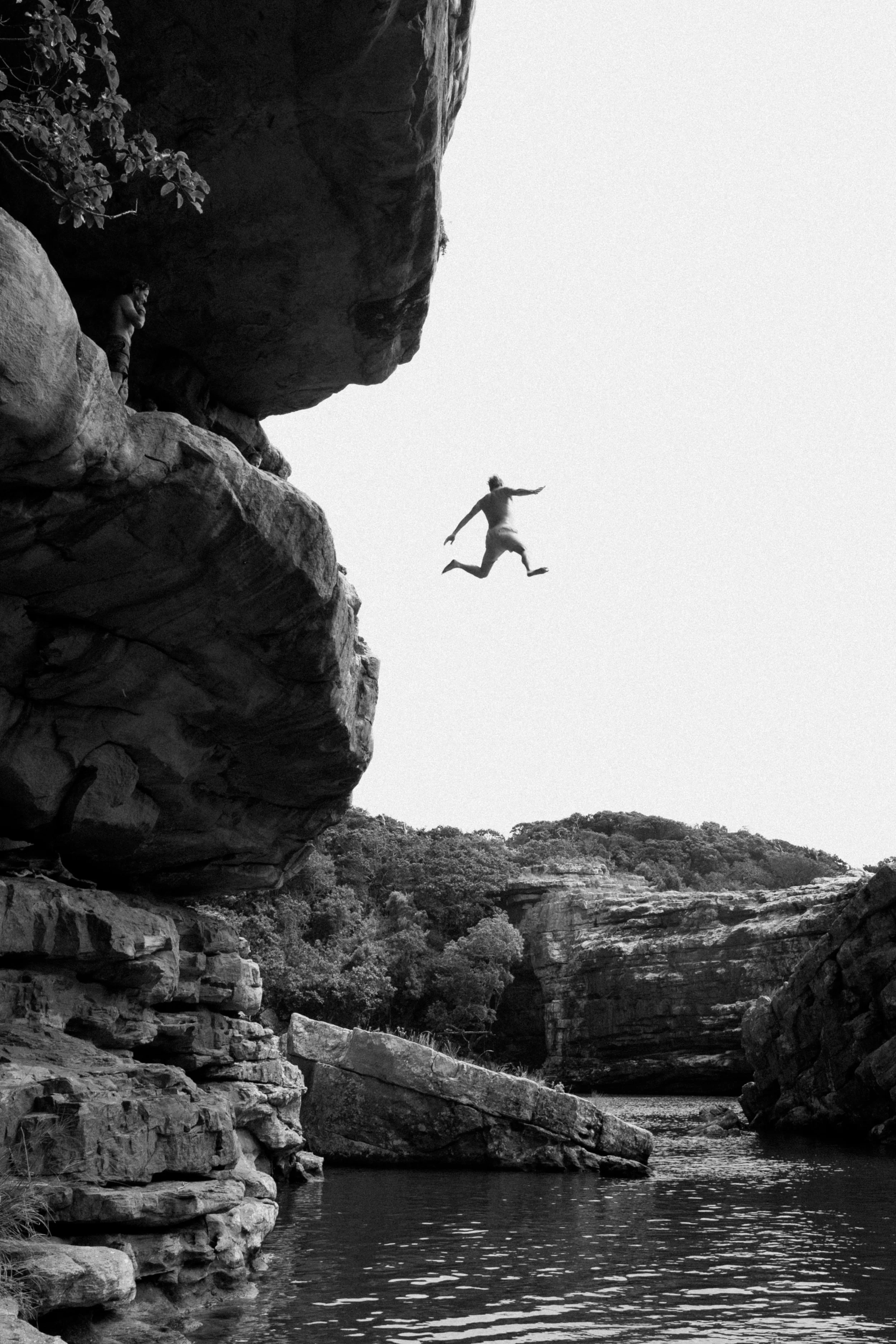
A few practical words…
The hike is offered almost year-round. We went in mid-March when the weather was warm and swim breaks were welcomed. A few weeks earlier and it would have been brutally hot (one of our guides said a couple guests barely made it). Going in the South African winter—meaning June/July—allows for incredible whale watching moments during the annual sardine run, but the trade-off is that the water is too cold to swim in. In terms of age and ability, one of our friends brought their spry 73 year-old father who struggled a bit but nonetheless kept up (he opted out of the cliff jumping). The youngest person that’s ever been on the trail was an athletic seven year old. Many people in our group drank A LOT at lunchtime, nighttime, and sometimes even breakfast. Soft and hard drugs were ingested, and everyone made camp by nightfall. Some struggling, some coasting. That should give you a sense of the age and ability range of the trip. If you’re in even half-decent shape, you’ll do just fine.
If you’re going to fly half way around the world to undertake this adventure, you may as well go all out. Fly into Capetown and spend a couple days combating jet lag at the Mount Nelson Hotel. It’s the city’s answer to the Beverly Hills Hotel, a sprawling campus with cotton-candy-colored buildings, a glistening pool, verandas for high tea and tennis courts surrounded by lush greenery. If you ever decide to leave the grounds (and it’s tough!), there’s hiking trails up Table Mountain to prepare you for the Pondo, endless beaches to catch surf breaks, and a burgeoning art scene that’s worth exploring. Again, a full 48 hours here will give you a perfect taste of the town. From there you’ll fly to Durban and if you’re with a whole crew, the Wild Africa team can organize a shuttle bus to drive you three hours south to the fleabag motel which acts as the starting off point for the trip. It’s so dismal and rundown that you’ll actually look forward to three nights in a tent afterwards!!
At the end of the hike I recommend arranging a charter plane to fly you back to Durban (again, if you’re traveling with a crew of 20, it comes out to about four hundred bucks per person) where you can either immediately escape back to Capetown or loll about the very mediocre (yet very Instagram-able) Oyster Box Hotel. Don’t let the photos fool you, while the food is lovely when not swiped away by the sneaky monkeys, the rooms are a bit blah and the town overall is totally skippable.
I wound up heading on to Namibia after the hike for another adventure at the Zanier Sonop which was like plunking the best chocolate layer cake ever atop the world’s tastiest ice cream sundae. Completely unnecessary but so fucking good. The beauty about traveling through southern African countries is just how easy it is. There are a half dozen equivalents to Southwest Airlines (loved SafAir!) and they are all incredibly well run, very inexpensive, and flights are never more than a couple hours to get you to places as exotic as Mozambique or Zimbabwe. So start planning NOW!!!!!